
Wire processing inefficiency often starts before a machine ever touches the wire.
A job may be fully defined in engineering, with wire lengths, ferrule requirements, labels, and other production information already documented. Yet, between that engineering data and the wire room, teams may still be retyping values, interpreting drawings, relabeling information, or manually translating job requirements into individual production steps.
That handoff creates a gap.
For manufacturers running high-mix wire production, panel building, control cabinets, or other variable wire-processing work, the engineering-to-production gap can add non-value-added time before the first cut is made. It can also introduce avoidable opportunities for transcription errors, mismatched labels, incorrect wire lengths, or the wrong ferrule being selected.
The goal is straightforward: carry more of the job information from engineering closer to the point of production.
Z+F USA’s Wire Processing Center provides one example of how that connected flow can work. The WPC software is compatible with EPLAN and other CAE files, and the system combines wire feeding and cutting, ferrule processing, and labeling within an integrated production environment.
The Job Data Already Exists
In many wire-processing environments, engineering has already done much of the hard work.
The wire list may define:
- Wire identification
- Wire length
- Cross-section
- Ferrule requirements
- Label information
- Connection points
- Other job-specific production requirements
The problem appears when that information has to be translated manually into the wire room.
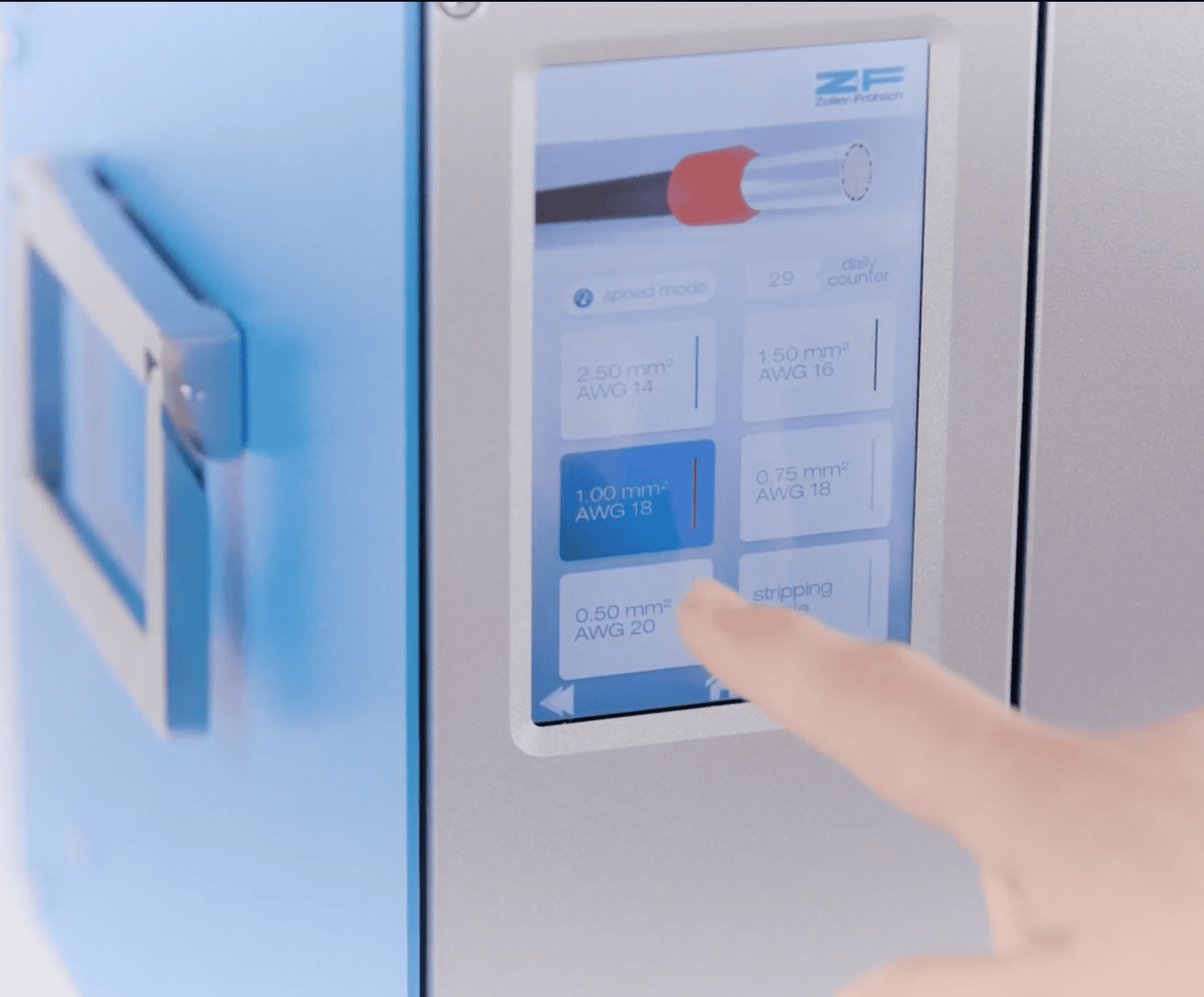
An operator may need to reference a drawing, locate a wire in a spreadsheet, enter a cut length into one machine, determine the correct ferrule, create or re-enter label information, then repeat the process for the next wire.
Each step may only take a short amount of time. Across a complete panel or production job, however, the cumulative effect can become significant.
The cost is not simply operator time. Every manual interpretation or transcription step creates another point where the engineering intent can become disconnected from the finished wire.
Reduce the Translation Between Engineering and Production
The strongest wire-processing workflow carries information forward instead of recreating it at each stage.
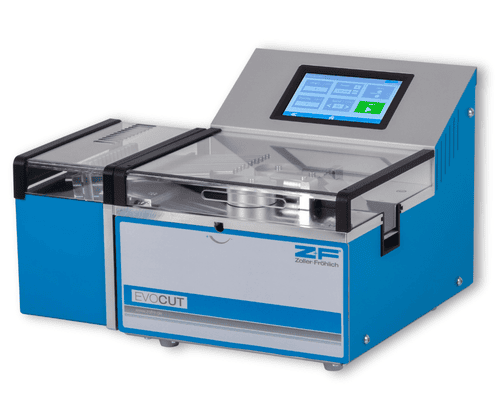
Z+F's Wire Processing Center (WPC) is designed around that concept. The system can load EPLAN or other CAE files and process the wires contained in the job list step by step. Z+F’s WPC combines the EVOFEED® multi-feeder and EVOCUT® for wire feeding and cutting, the UNIC-GV stripper-crimper for ferrule processing, and a MultiMark thermal transfer printer for labeling.
That connection between job data and physical production can reduce the number of times an operator has to manually interpret or re-enter information.
Instead of creating a second production data trail alongside engineering, the workflow can keep more of the original job information connected to the wire being produced.
Carry Cut Length Closer to the Machine
Wire length is a simple example of where unnecessary handoffs can add time.
If the engineering file already defines the required length, manually reading that value and entering it again at the cutting station creates another transaction. It also creates another opportunity for a typo or incorrect interpretation.
Within the Z+F WPC, EVOFEED® and EVOCUT® handle feeding and cutting as part of the integrated workflow. The WPC processes the job list sequentially, allowing the production system to carry the required wire information closer to the physical cutting operation.
For a manufacturer producing many different wires within the same job, that matters. The objective is not simply faster cutting. It is reducing the amount of manual work required to get the correct wire to the cutting step in the first place.
Keep Ferrule Selection Connected to the Job
Ferrule selection creates a similar challenge.
Different wire sizes and applications may require different ferrules. When that selection depends on the operator repeatedly checking documentation, retrieving the correct component, and confirming it against the job, production becomes more dependent on manual interpretation.
Z+F’s WPC integrates ferrule processing with the job workflow using the UNIC-GV for the corresponding ferrule and can process the job without requiring operators to change wires and ferrules for each individual production step.
That creates a stronger link between the engineering requirement and the physical wire.
The benefit is not automation for its own sake. It is reducing the number of manual decisions required between the job file and the finished connection.

Keep Labeling in the Same Flow
Labeling is another place where wire jobs can lose time before installation ever begins.
If label information exists in the engineering or CAE environment but has to be recreated separately for production, teams introduce another handoff. That can mean retyping identifiers, matching labels back to wire lists, or creating parallel records that have to stay synchronized as the job changes.
The WPC incorporates a MultiMark thermal transfer printer for labels and markers, including fabric, polyester, heat-shrink tubing, and PLC labels. Z+F’s product documentation describes the system as producing the corresponding labels as the wire job progresses.
Keeping labeling closer to the production sequence helps reduce the distance between the data that defines the wire and the identification applied to the finished product.
Make Design Changes Easier to Execute
Design changes are where disconnected workflows become especially visible.
A wire length changes. A connection point moves. A different cross-section is specified. A label is updated.
When engineering and production operate from separate data trails, every change has to be communicated, interpreted, and updated in multiple places. That creates more administrative work and more opportunities for outdated information to remain in circulation.
A connected engineering-to-production workflow gives manufacturers a cleaner path for executing change.
When production is working from CAE-derived job information rather than independently recreated instructions, changes can remain closer to the source data. The production team still needs to verify the job and manage the physical process, but fewer parallel records need to be maintained.
That can be particularly valuable in high-mix environments where jobs, wire requirements, and production priorities change frequently.
Connect the Data Before You Automate the Work
Manufacturers often look at automation through the lens of machine speed.
That is only part of the opportunity.
A faster cutting machine does not eliminate the time spent finding the correct job, reading the specification, typing in the cut length, selecting the ferrule, creating the label, and confirming that all of those inputs match.
The larger opportunity is connecting those steps.
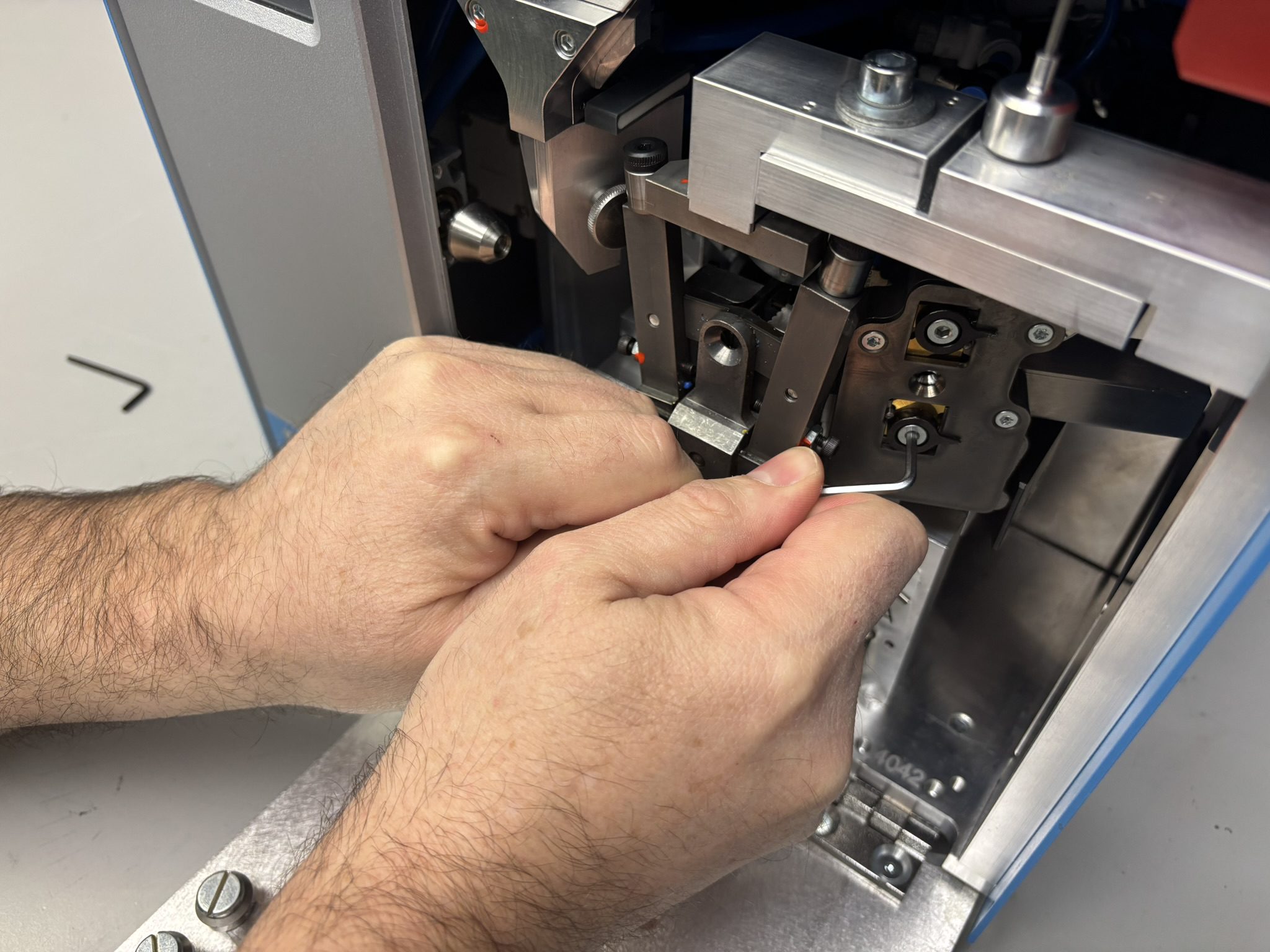
Z+F USA’s wire processing portfolio ranges from stand-alone stripping, crimping, cutting, and ferrule-processing equipment to integrated systems such as the Wire Processing Center. The WPC brings feeding, cutting, ferrule processing, labeling, and CAE-compatible job data into one production flow.
That makes the engineering-to-production handoff a productive place to look for lost time.
Close the Gap Before the First Cut
Every wire job begins with information.
The closer that information stays to production, the fewer opportunities there are for unnecessary transcription, interpretation, relabeling, and duplicated data entry.
Start by looking at the handoff.
Where is engineering data being re-entered? Where are operators interpreting information that could already be carried forward? Where are labels being recreated? Where do design changes create a second trail of updates?
Then look at the production flow.
A connected wire-processing system can carry job information closer to cutting, ferrule selection, crimping, and labeling, reducing the amount of manual translation required between engineering and the finished wire.
The first opportunity to improve wire production may happen before the first cut is ever made.