In modern manufacturing environments, including automotive, aerospace, and medical devices in particular, the margin for error has all but disappeared. As systems become more complex and interconnected, something as seemingly simple as a wire crimp can have outsized consequences. The question is no longer whether automation is beneficial, but why it has become essential.
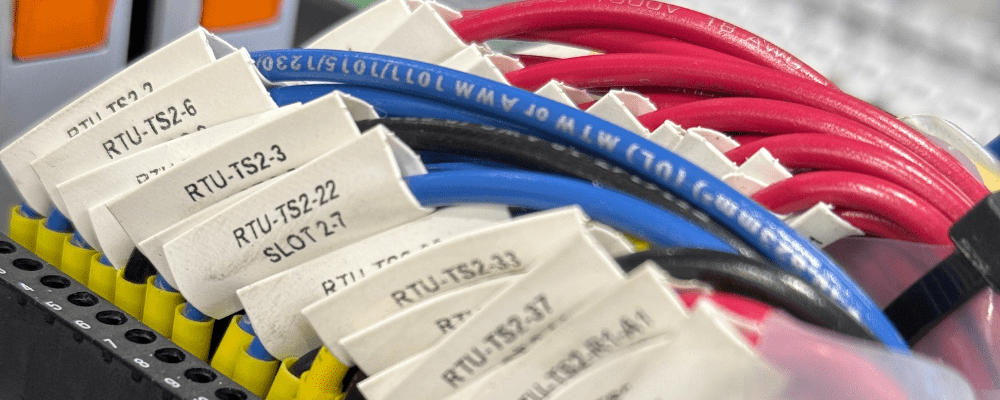
Consider the role of wire harnesses: they are the nervous system of any electrical product. Every signal, every function, every safety mechanism depends on reliable connectivity. A single faulty crimp can disrupt an entire system. In high-volume environments, even a small error rate can translate into significant operational and financial damage.
Why Automation Matters
Manual crimping introduces variability. Even highly trained operators can experience fatigue, inconsistency, or misinterpretation of specifications. Over time, this leads to deviations in crimp height, pull force, and insulation integrity. These deviations are not always immediately visible, which makes them particularly dangerous.
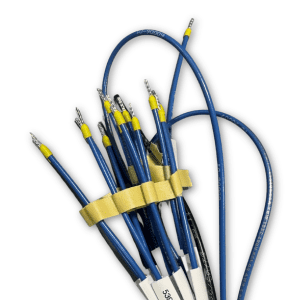
Automation removes this variability. Advanced wire processing machines ensure consistent stripping, crimping, and quality verification with every cycle. Integrated monitoring systems can detect anomalies in real time, preventing defective parts from moving downstream.
But beyond consistency, automation provides traceability. In industries with strict compliance requirements, being able to document every crimp, every parameter, and every batch is not just valuable—it is mandatory.
A Day in the Life: When Things Go Wrong
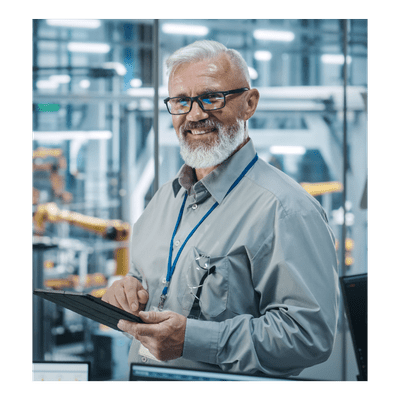
Meet Daniel, a production engineer at a mid-sized automotive supplier. His team produces wiring harnesses for electric vehicles. One morning, he receives a call from quality control: a batch of harnesses has failed testing.
After investigation, the issue is traced back to inconsistent crimps performed during a late shift. The operator, under pressure to meet quotas, had slightly adjusted the crimping force. The change was subtle, but enough to compromise long-term reliability. The immediate impact is clear: the entire batch must be reworked. Production schedules are disrupted. Delivery deadlines are missed. Costs begin to accumulate.
But the long-term implications are more severe. If even a few defective units had reached the field, the consequences could include system failures, recalls, and reputational damage. In safety-critical applications, the risk extends to human lives.
Daniel now faces not just operational challenges, but strategic questions. How can he ensure this never happens again? How can he guarantee consistency across shifts, operators, and production runs?
The Hidden Costs of Manual Processes
What Daniel experienced is not uncommon.
Manual processes often hide their true cost. While the upfront investment appears lower, the downstream expenses, scrap, rework, warranty claims, and lost business, quickly outweigh any initial savings. There is also the issue of scalability. As demand increases, maintaining quality with manual processes becomes increasingly difficult. Training new operators takes time, and even then, variability persists.
Automation addresses both issues. It enables manufacturers to scale production without compromising quality. It also reduces dependency on individual operator skill, shifting the focus to process control and system optimization.
The Guide: How Z+F USA Changes the Equation
This is where Z+F USA enters the story: not just as a supplier, but as a guide. Our wire processing solutions, including the Z+F AM and CR Series are designed to eliminate the very risks Daniel encountered.
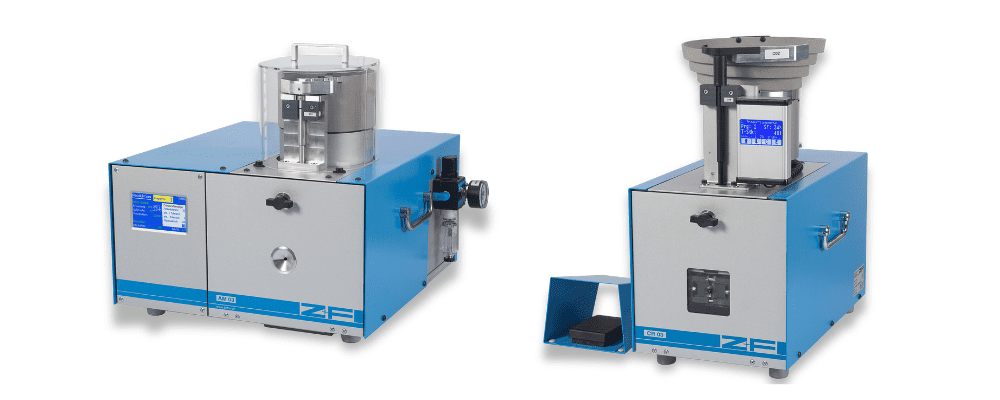
Our systems combine precision engineering with intelligent monitoring. Every crimp is executed with exacting accuracy. Sensors continuously measure parameters such as force and position, ensuring compliance with predefined standards. Beyond the machine itself, we provide support and integration expertise. Our wire processing machines are not standalone tools, but part of a broader production ecosystem. From initial setup to ongoing maintenance, we ensure that manufacturers can rely on their systems day in and day out.
Crucially, Z+F USA focuses on usability. Operators can quickly learn and manage the systems, reducing training time and minimizing the risk of human error. At the same time, engineers like Daniel gain access to detailed data and analytics, enabling continuous improvement
The Transformation: From Risk to Reliability
With automation in place, Daniel’s production line undergoes a transformation. Variability is eliminated. Quality becomes predictable. Instead of reacting to problems, his team can proactively optimize processes. The impact extends beyond the factory floor. Customers gain confidence in the reliability of the products. Compliance audits become smoother. The organization as a whole moves from a reactive to a proactive posture.
In his new day-to-day routine, Daniel is no longer finding inconsistencies. He is leading: driving innovation, improving efficiency, and ensuring that his company remains competitive in a demanding market.
Conclusion
Wire crimping automation is not just about efficiency. It is about risk management, quality assurance, and long-term sustainability. In industries where failure is not an option, the question is not whether to automate, but how quickly it can be done.
Manufacturers who embrace automation position themselves for success. Those who delay risk falling behind—not just in productivity, but in trust, reputation, and ultimately, market relevance.